Hummingbird Garden Update

Garden-2 Three weeks ago we started a hummingbird garden. You can read about it in Our Hummingbird Garden and in Our Hummingbird garden Part 2.

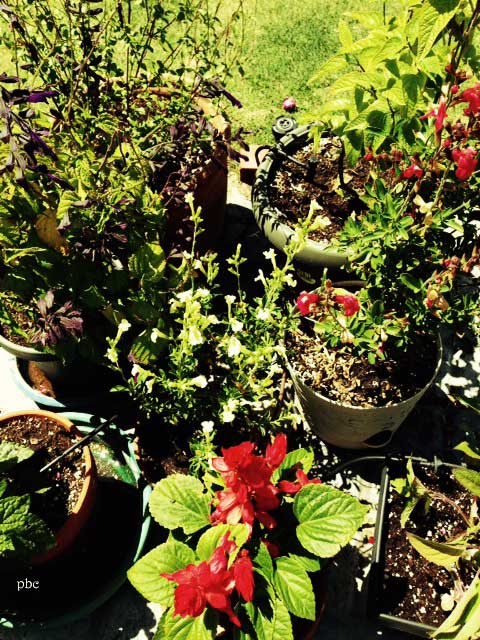
I’m not sure if readers realized that I potted the plants in containers rather than in the ground. The pots are sitting on flagstone tiles in the center of the yard. It is one of the few places where we get full sun during the day. Most of the sage and salvia plants that attract hummingbirds like a full sun exposure. Each plant has a drip system running to it, but I do have to supplement the water supply. Most of these plants are drought tolerant, but in the hot summer sun, especially in pots, they do need more water.

This morning I went on line to learn how to propagate sage and salvia plants. I discovered a helpful blog called Growing the Home Garden. In a short article I found what I was looking for. I finished reading, and headed into the garden to look for just the right cuttings. As sometimes happens I found myself doing things a little differently than planned, and it also turned out to be a faster way to expand our hummingbird garden.

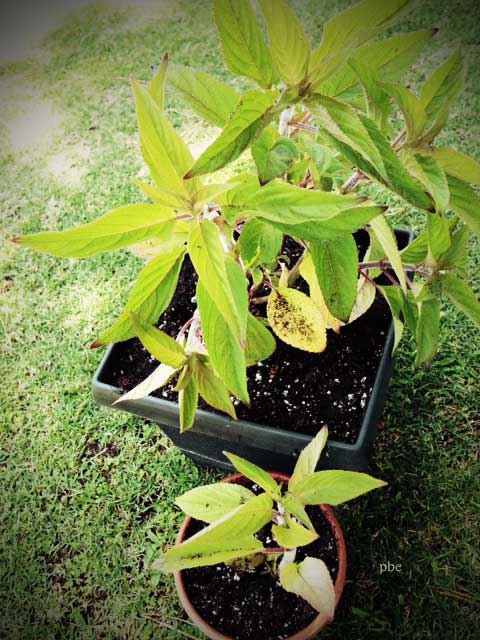
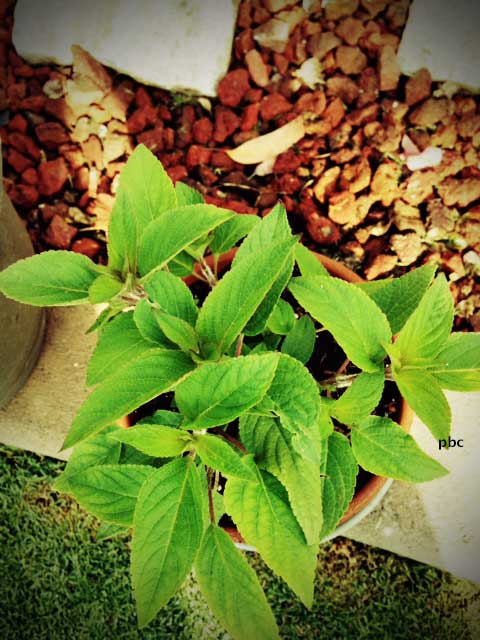
Pineapple-sageAbove is the Pineapple Sage plant, another hummingbird favorite. I purchased a small plant on May 25, and it had already outgrown its original pot. While repotting the sage, I was able to separate a smaller plant that was an offshoot of the larger one. Above you see the original and secondary plants in their new pots.  I can’t wait to see their bright red flowers. I will be sure to post a picture when it happens. This plant seems to be a very fast grower, and something tells me I will soon be sharing pineapple sage plants. Pineapple Sage Tea anyone?

Hiking Black Star Canyon

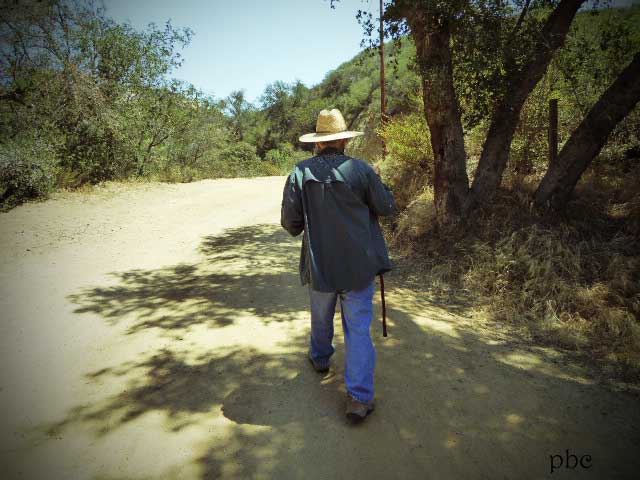
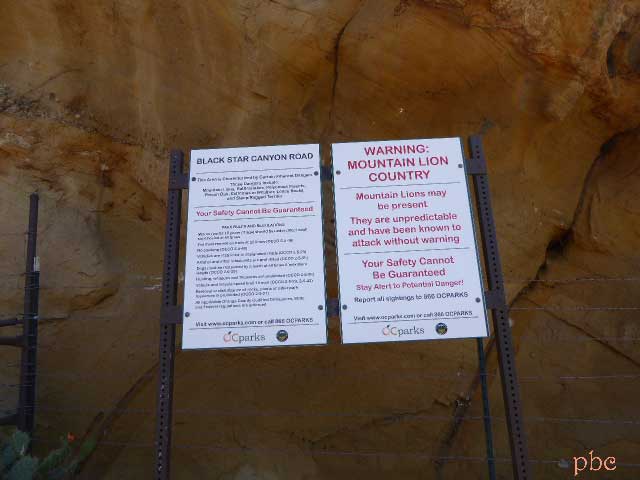
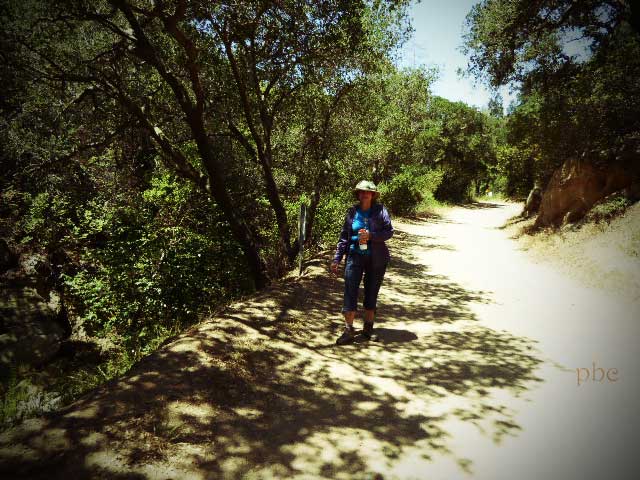
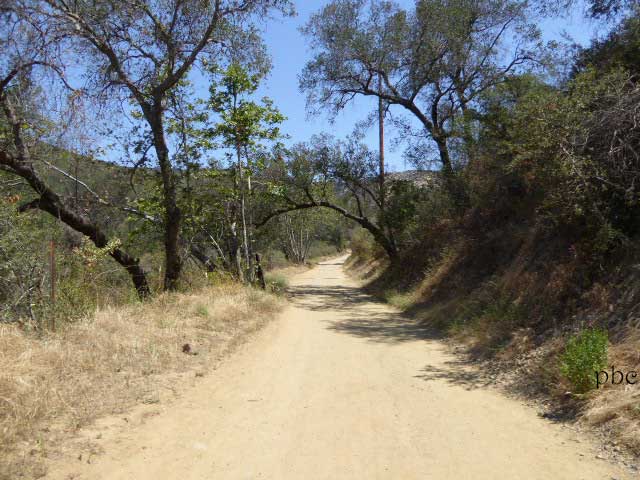
Martin-hikingThis morning we decided we wanted to do something different, a hike, so we drove to Cleveland National Forest at the end of Silverado Canyon, one of our favorite routes when riding our scooters. We were surprised to find the trail head there closed to the public because of dry brush and fire danger. (You may see my Sept 13, 2014 posting about a major fire in that area of Silverado Canyon.)  Disappointed and wondering where else we could go, we spoke to a woman cyclist and told her of our dilemma. She told us of another hiking trail in nearby Black Star Canyon. We’ve lived in this area of Southern California since 1977, but had never been to that particular canyon. Before long we were on our hike there. It was wonderful. Above you can see my husband, Martin, thoroughly enjoying the surroundings. Mountain-Lion-WarningWe saw the above Mountain Lion warning as we started up the trail, but we’re used to seeing such signage in the more open and uninhabited areas of California. There were quite a few hikers on the trail, plus mountain bikers, so chances were slim that we would encounter a mountain lion. Plus there were two of us, an added safety benefit. Jan-hikingHere I’m enjoying a bit of shade and a drink of water. We had started out later than planned, and it was getting quite warm. We hiked inland for just over an hour, but it took less time to hike back because it was mostly downhill. We were glad we had taken plenty of water with us, had applied sun screen, and were wearing wide brimmed hats!Black-Star-Canyon-TrailI want to share one more photo with you, so you can see just how dry the brush is on the both sides of the trail.  Black Star Canyon was truly a find, and we plan to go back again soon, but next time we’ll start out earlier in the day and go a little farther up the trail.

How to Grow African Violets

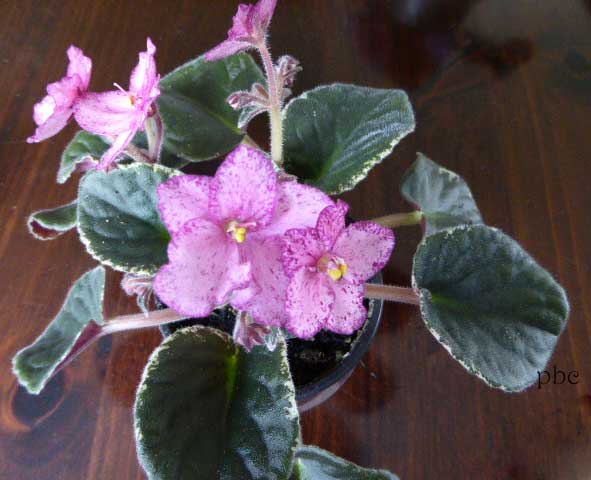
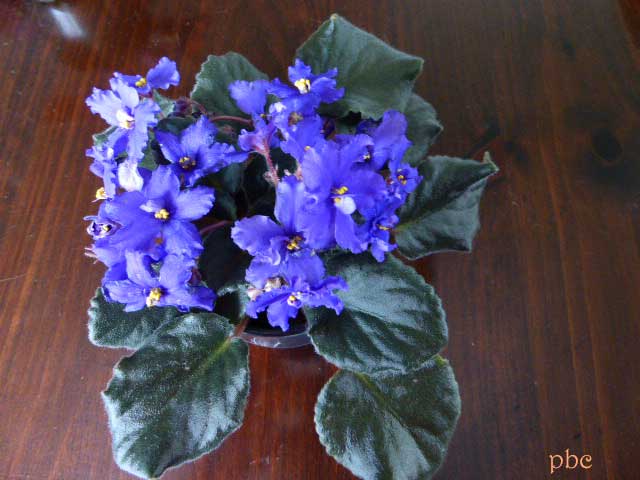
pink-violetThis is a new African violet that I bought the other day. I’d never seen this particular variety before and couldn’t resist the speckled pink blossoms.final-blue-violetI also brought this one home. I’ve loved African violets since I was a little girl in Canada. Mom always had African violets on the kitchen window sill.

When I was first married, one of my husband’s co-workers gave me several African violet plants. She too loved African violets and had collected dozens of varieties. She shared some of her ideas with me and taught me how to grow healthy flowering plants.  I want to share what she taught me many years ago.

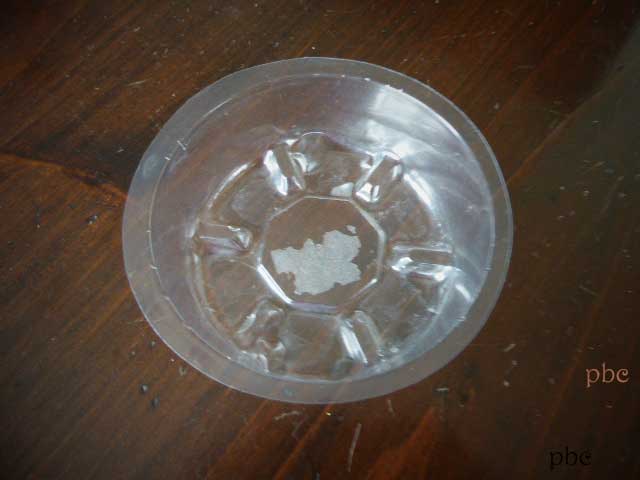
First of all, I believe that most people over-water their African violets. Below you see the small 4″ plastic container I place under each plant pot. I find that my African violets do best in the small plastic pots I buy them in. Once a year I repot them in a commercially prepared African violet soil, and I fertilize my plants every few months with a very small amount of all-purpose fertilizer.

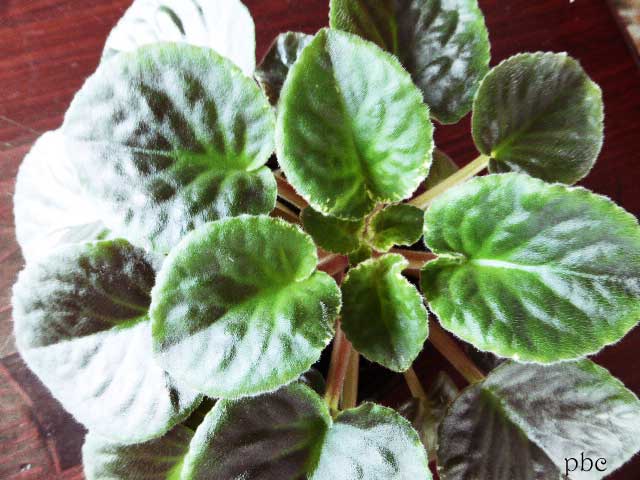
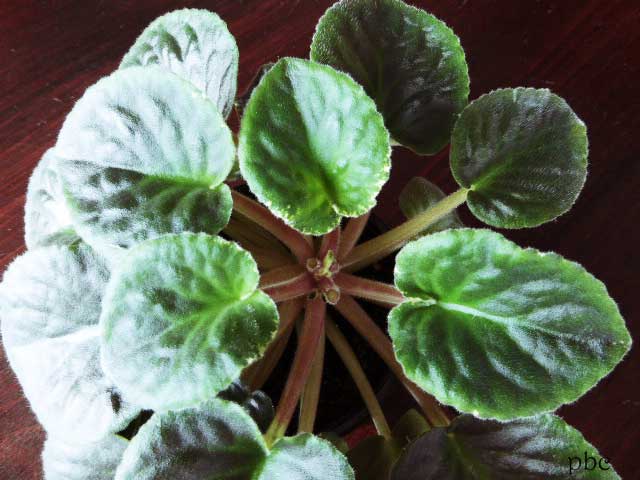
plastic-dishWith the plant pot sitting in the plastic saucer, I usually fill the saucer to the top with tepid water, and let the plant absorb water from the bottom. I do water from the top occasionally being careful to keep leaves dry. Top watering washes harmful salts from the soil that can build up from bottom watering. I don’t water again until the top soil is dry to the touch. Better to underwater slightly than to over water. African-violet-not-trimmedAbove you see a healthy African violet that has finished flowering. The friend who taught me about African violets told me that the leaves in the center of the plant keep the light from reaching in and encouraging flowers. African violets need all of the indirect light they can get to produce flowers.You need to keep your African violets away from direct summer sun because it might burn the foliage and turn leaves yellow. You can see the central leaves above, but In the picture below you can see where I’ve removed some of those leaves.

African-violet-pickedThe plant looks a little bare, but before long it will produce buds, and the center will be covered in delicate flowers. When it does I’ll be sure to post a picture.


Our Hummingbird Garden


Salvia-gregii-oneWe love hummingbirds, and always have a feeder filled with sugar water hanging outside our kitchen window. In Southern California we have the Allen’s Hummingbird, the Black chinned Hummingbird, and the Anna’s Hummingbird. The Anna’s doesn’t migrate, so we enjoy them all year round. I’d been thinking of starting a hummingbird garden for quite awhile, so the birds would be attracted to our yard, and not always dependent on the sugar water mixture in the feeder.

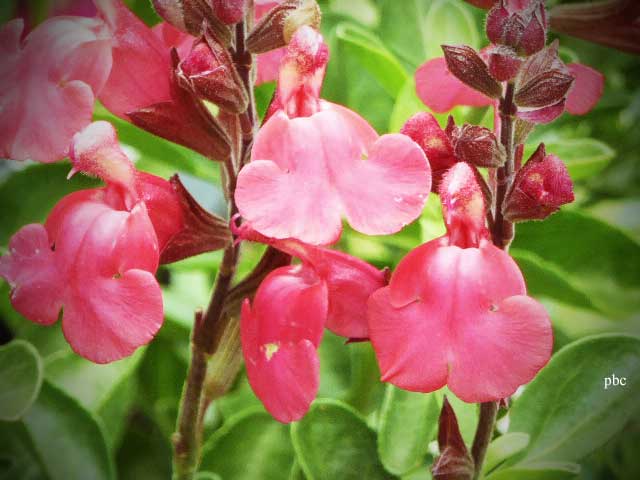
Two days ago we visited our local nursery and with the help of one of the garden professionals, who was a fellow hummingbird lover, we arrived home with seven plants that hummingbirds favor. The beautiful pink blossomed plant above is the Salvia gregii.

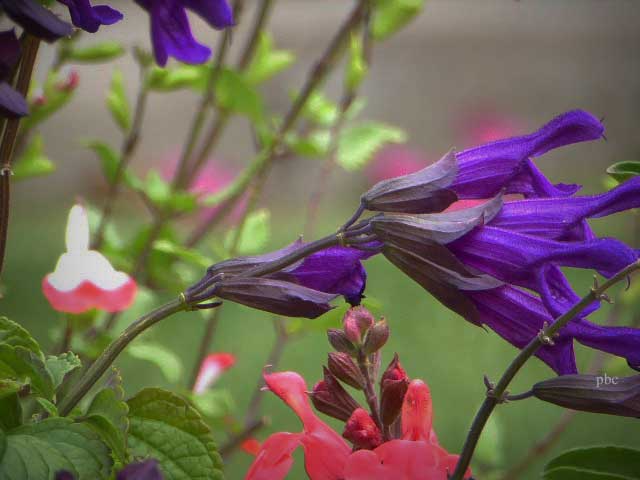
Salvia-black-and-blue-oneHere you see the Salvia Black and Blue. Notice the tubular blossoms. They are perfect for the hummingbird’s long beak, an interesting characteristic of Salvia plants.Pineapple-sage-1This pineapple sage is the plant I’d planned to make the first addition to our hummingbird garden. I’ve been promised spires of cardinal red blooms. I can’t wait, and apparently neither can the hummingbirds. I’ve read that here in Southern California, where we rarely have hard freezes, the blooms may continue all year. There are many uses for this plant, including tossing a few of the red flowers in salads. Amazing!

I’ve included only three of the plants we’ve made part of our hummingbird garden in this latest post. Today I’ll be out taking more photos of the garden and hopefully some of the little residents enjoying a sip of nectar. I’ll include the remainder of the plants next time.


New Zealand Memories

Ocean and GreenI took this photo in Mount Maunganui New Zealand, two days before heading home to Southern California.There is a beautiful trail that leads around the mountain. The locals refer to it, as walking the mount. When I visited two years ago, there’d been a land slide, so it wasn’t possible to hike the entire trail, but this year it was open all the way around. As you can see, the scenery is gorgeous. I’m always amazed at how green and rugged it is.Charlie on RockHere is our nine year old grandson, Charlie who is like a little mountain goat and loves to climb.

Me-and-Char-on-the-trailHere you can see more of the rugged coastline as we continued along the trail. It was a wonderful hike, and it’s fun to look at the photos now that I’m home. They remind me of all the fun things I did during my three weeks in New Zealand.